
Whispered Elegance: Elevating Your Home with Understated Refinement
Principles of Quiet Luxury
Restraint that Feels Generous
Craftsmanship You Can Feel
Comfort as the Ultimate Status


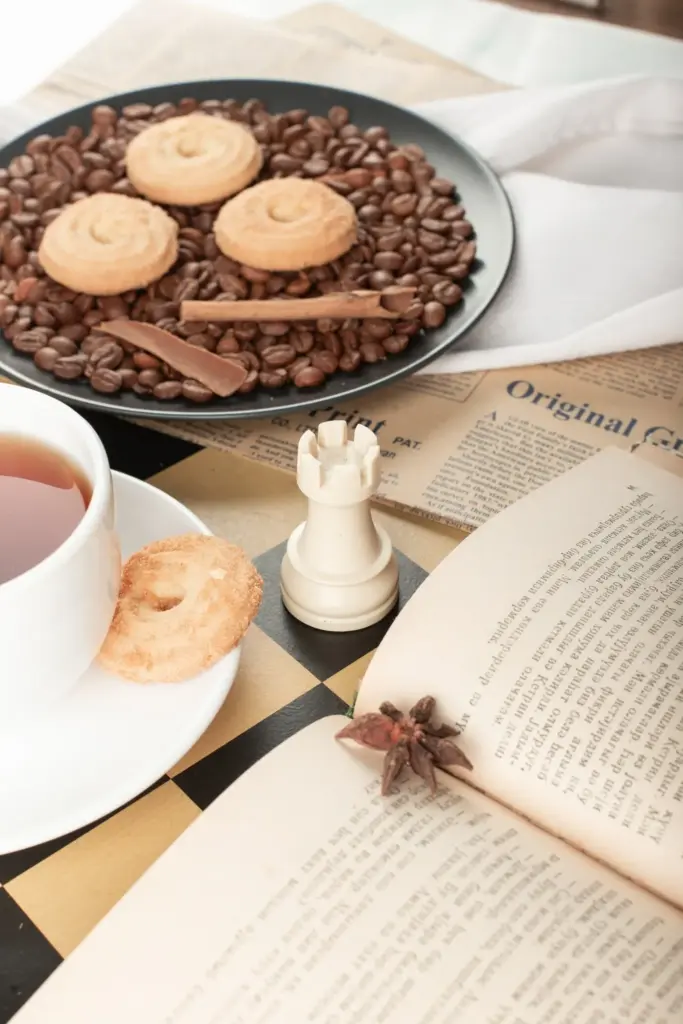

Materials and Finishes That Age Beautifully
Light, Shadow, and Subtle Atmosphere
Silence, Acoustics, and Calm Technology

Layout, Storage, and the Art of Leaving Space
Circulation That Feels Effortless
Map daily routes from entry to kitchen, sofa to terrace, bed to bath. Minimize zigzags and bottlenecks, widening pinch points and aligning doors to frame pleasing vistas. Anchor furniture with generous rugs to guide movement without signage. Allow at least comfortable clearance around tables and islands. Thoughtful circulation reduces micro-friction—those tiny hesitations that sap energy—making routines swifter, safer, and more gracious. You feel it immediately: everything seems to cooperate, even in small spaces.
Storage That Serves, Then Disappears
Design built-ins that match the room’s language, with framed doors, quiet hardware, and interior organization that fits actual belongings. Use full-height cabinets where visual order matters and shallow drawers for everyday tools. Consider pocket doors to hide work zones swiftly. Finishes inside can be cheerful; outside should harmonize and recede. When storage supports rituals precisely, clutter never accumulates. Rooms read calm yet lived-in, with essentials reachable, distractions minimized, and surfaces ready for meaningful moments.
Edit with Empathy
Decluttering is easier when it honors memory. Keep what tells your story and use elegant boxes or drawers for archives. Rotate seasonal objects rather than discarding treasures. Offer meaningful pieces to friends or charities where they will be appreciated. Editing is ongoing, not punitive. By making space kindly, you create room for light, movement, and future discoveries, allowing quiet upgrades to resonate more strongly and your home to feel both personal and breathable.
Personal Rituals, Artful Details, and Lasting Value
Ritual Corners that Anchor the Day
Design a place for morning pages, meditation, or evening letters, balancing privacy with gentle light. A comfortable chair, a small table, and a lamp with a warm pool of illumination can transform intent into habit. Add a soft throw, a coaster for tea, and a hidden outlet. These purposeful arrangements tether time, signaling calm. When a home encourages rituals, it nurtures well-being, making quiet upgrades emotionally resonant rather than merely aesthetically pleasing.
Curate with Patience and Story
Collect art and objects slowly. Prioritize pieces that recall travels, friendships, or local makers, and leave room on walls for growth. Use museum glass where appropriate to soften reflections and protect works. Group objects by tone or material rather than strict symmetry. Let patina and imperfection contribute humanity. Over time, your rooms become a portrait of values and memories, each detail quietly conversing with materials, light, and the gentle cadence of daily life.